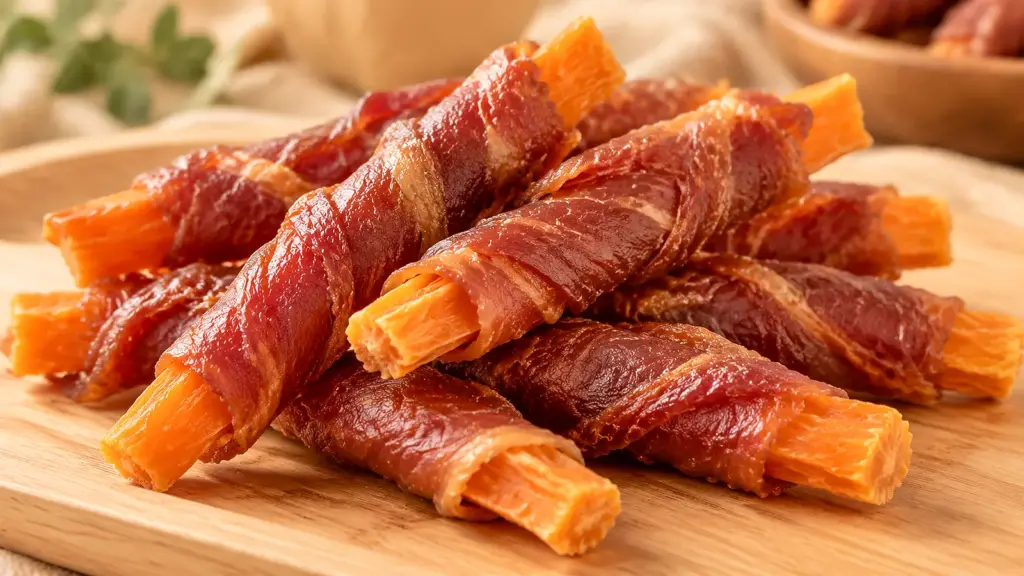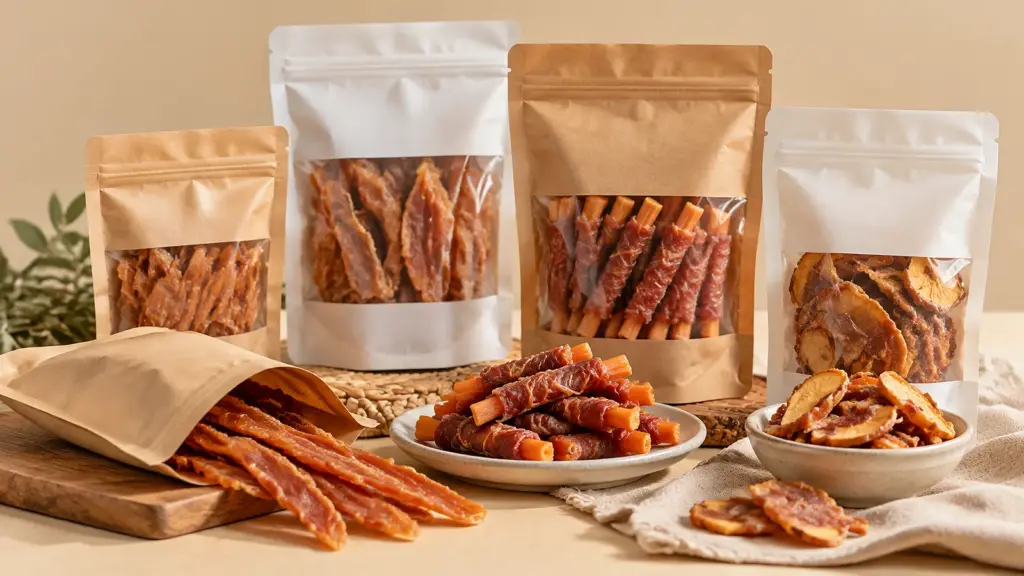
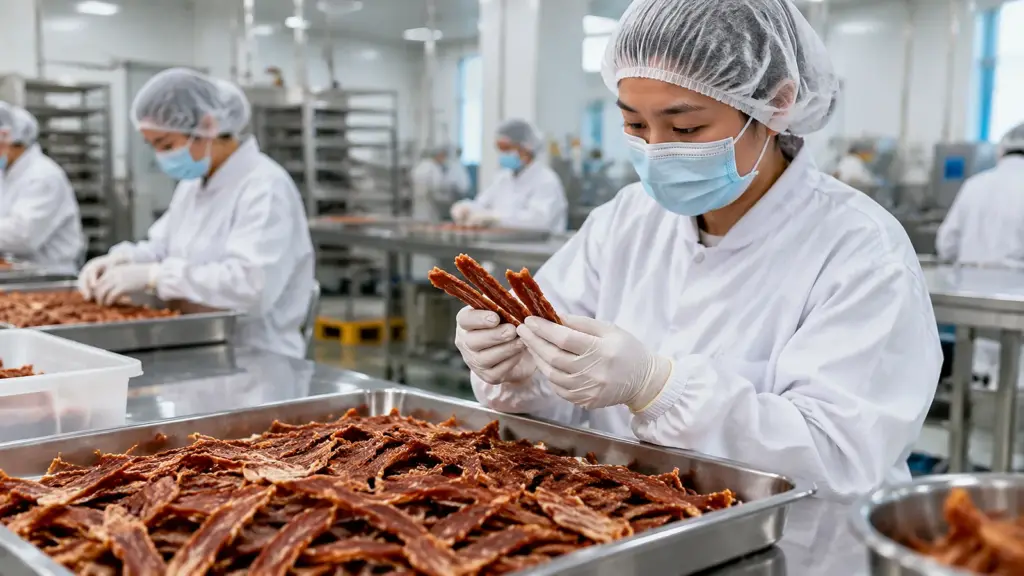
Are dog treats made in China safe? They can be, but the country on the label does not answer the question. Safety depends on the specific factory’s food-safety system, its raw-material and residue controls, and the verification the importer does. After the FDA jerky pet treat investigation, serious buyers stopped asking “China or not?” and started asking “which factory, certified to what, and tested how?”
Key takeaways
- From 2007, FDA received about 5,200 complaints of illness linked to jerky pet treats, most involving products imported from China. FDA never identified a single root cause.
- Testing found low-level antibiotic residues and, in some samples, the antiviral amantadine. FDA said neither was likely to explain the illnesses, but amantadine should not be in pet treats.
- Since then, US importers have had legal supplier-verification duties under FSVP, and many buyers require GFSI-benchmarked certification and batch testing.
- You reduce risk by verifying certificates and their scope, agreeing a test panel, testing independently and demanding traceability, whatever the country of origin.
The Short Answer
A dried duck or chicken treat is safe when the meat is sound, the drying step reliably kills pathogens, moisture is low enough to stop mold, drug residues are controlled at the source and checked in the product, and every lot can be traced. None of those depend on geography. They depend on systems, records and testing, which a buyer can check. That is also why “made in China” means little on its own: there are well-run and poorly run plants in every exporting country.
But the concern is not irrational. It comes from a real, long-running FDA investigation, and a credible supplier should be able to talk about it plainly.
What Happened: The FDA Jerky Pet Treat Investigation
Beginning in 2007, FDA started receiving reports of pets falling ill after eating jerky treats, including chicken, duck and sweet potato jerky and treats wrapped with or containing these. According to FDA’s investigation page, as of December 31, 2015 the agency had received about 5,200 complaints involving more than 6,200 dogs, 26 cats and three people, including more than 1,140 dog deaths. FDA noted that most of the products involved were imported from China, which produces much of the jerky pet treats on the market.
The reported illnesses were varied:
- About 60% gastrointestinal illness, sometimes with elevated liver enzymes.
- About 30% kidney or urinary signs, including cases resembling Fanconi syndrome, which FDA describes as a normally rare kidney disease in dogs.
- About 10% other signs, such as convulsions, tremors, hives and skin irritation.
What testing found, and what it did not
FDA and partner labs ran extensive tests on treats for metals, pesticides, toxins, microbial contaminants, drugs and more. The key findings:
- Antibiotic residues. In January 2013, a New York State Department of Agriculture and Markets laboratory found low levels of antibiotic residues in some jerky treats. Several major brands were withdrawn from the US market as a result. FDA reported that the residues were almost all below 1 part per million and said it was unlikely they caused the illnesses.
- Amantadine. FDA found the antiviral drug amantadine in some samples tested in fiscal year 2014. FDA said it did not believe amantadine explained the illnesses, since its known effects did not match the reported symptoms, but that it should not be present in jerky pet treats.
- No single root cause. In FDA’s words, testing “has not revealed a single root cause” for the reported illnesses. The page was last updated in 2018, and the cause remains undetermined.
FDA did note a drop in complaints after several products were removed from the market in January 2013, and that when some brands returned with reformulated products, the agency received very few reports about them. FDA also reminded owners that jerky treats are not required as part of a complete and balanced diet.
How to read this history fairly
Two conclusions are both true. First, the investigation exposed real weaknesses: drug residues that should not have been in finished treats, and a supply chain in which US brands could not always see how their products were made. Second, no one proved a single contaminant or practice caused the illnesses, and the investigation does not show that every treat from China is dangerous today. What it does show is that buyers who rely only on price and a sample box take on risk they cannot see.
What Has Changed Since Then
The trade looks different from the one of 2007–2013. The main changes:
Importers now have legal verification duties (FSVP)
Under the Food Safety Modernization Act, FDA’s Foreign Supplier Verification Programs rule (21 CFR part 1, subpart L) applies to importers of food for humans and animals, including pet treats. It was finalized in 2015 and took effect in 2016. US importers must analyze the hazards of each food, evaluate each foreign supplier’s practices and compliance history, run verification activities such as on-site audits, sampling and testing, or review of the supplier’s food-safety records, and take corrective action when needed. See FDA’s FSVP overview. In short, “we didn’t know how it was made” is no longer an acceptable position for a US importer. Our US import guide covers registration, FSVP and prior notice in more detail. Always check the latest official requirements.
Third-party certification is now a baseline
Retailers and brand owners increasingly require suppliers to hold a GFSI-benchmarked certificate such as BRCGS Food Safety, IFS Food or FSSC 22000. These schemes require documented HACCP plans, validated kill steps, supplier approval, traceability, foreign-body control and annual audits by accredited certification bodies. The certificates can be checked in public databases, such as the BRCGS Directory.
Testing is written into contracts
Experienced buyers now specify a test panel per product, often covering microbiology such as Salmonella, moisture or water activity, nutrient analysis for the label, and a residue panel, and require a COA for every lot plus periodic independent verification. Buyers also watch Salmonella closely because it can affect the people handling treats as well as the pets.
Traceability is expected, not optional
Digital batch systems let a factory trace a finished lot back to its raw-material lots and forward to the shipments it went into. For a brand facing a complaint or recall, that speed is the difference between withdrawing one lot and withdrawing everything.
How Buyers Can Reduce the Risk
These steps apply to any supplier, in any country:
| Risk | What to ask for | How to verify |
|---|---|---|
| Weak food-safety system | BRCGS, IFS or FSSC 22000 certificate, plus HACCP plan | Check the certificate in the scheme owner’s directory; confirm the scope covers your product |
| Drug residues in meat | Raw-material sourcing records and an agreed residue test panel | Independent lab test on production samples; periodic re-testing |
| Pathogens (e.g. Salmonella) | Kill-step validation, micro specs, lot COAs | Review drying time/temperature records; test samples independently |
| Mold and spoilage | Moisture or water activity specs, packaging spec (e.g. nitrogen flush, oxygen absorber) | Check COAs; run your own shelf-life checks |
| Hidden changes | Change-control clause in the contract | Compare each new lot with the approved spec and samples |
| Slow recall response | Traceability system description and a mock recall | Ask for a live trace of a random lot code |
| Middleman opacity | Business license and factory address | Live video tour; same legal entity on license, certificate and invoice |
For the full step-by-step process, including red flags and contract terms, see our checklist on how to choose a dog treat manufacturer in China.
How SAGEIC Controls the Risks
We make dried dog and cat treats in Qingdao, and duck is our core protein. So we expect buyers to ask about the jerky investigation, and we would rather show evidence than make claims. Here is what we can document:
- BRCGS certificate that matches the product. We hold BRCGS Food Safety Issue 9 (Grade B, certificate no. 0244974, site code 10024210, issued by Intertek, UKAS 014, valid to 11 May 2027). Its scope is the thawing, slicing, drying and sorting of duck breast pet food packed in PE/PET bags, the same category as the duck jerky products the investigation focused on. You can check it on the BRCGS Directory.
- Management systems. ISO 22000, ISO 9001 and a HACCP plan, plus China Customs (CIQ) export registration.
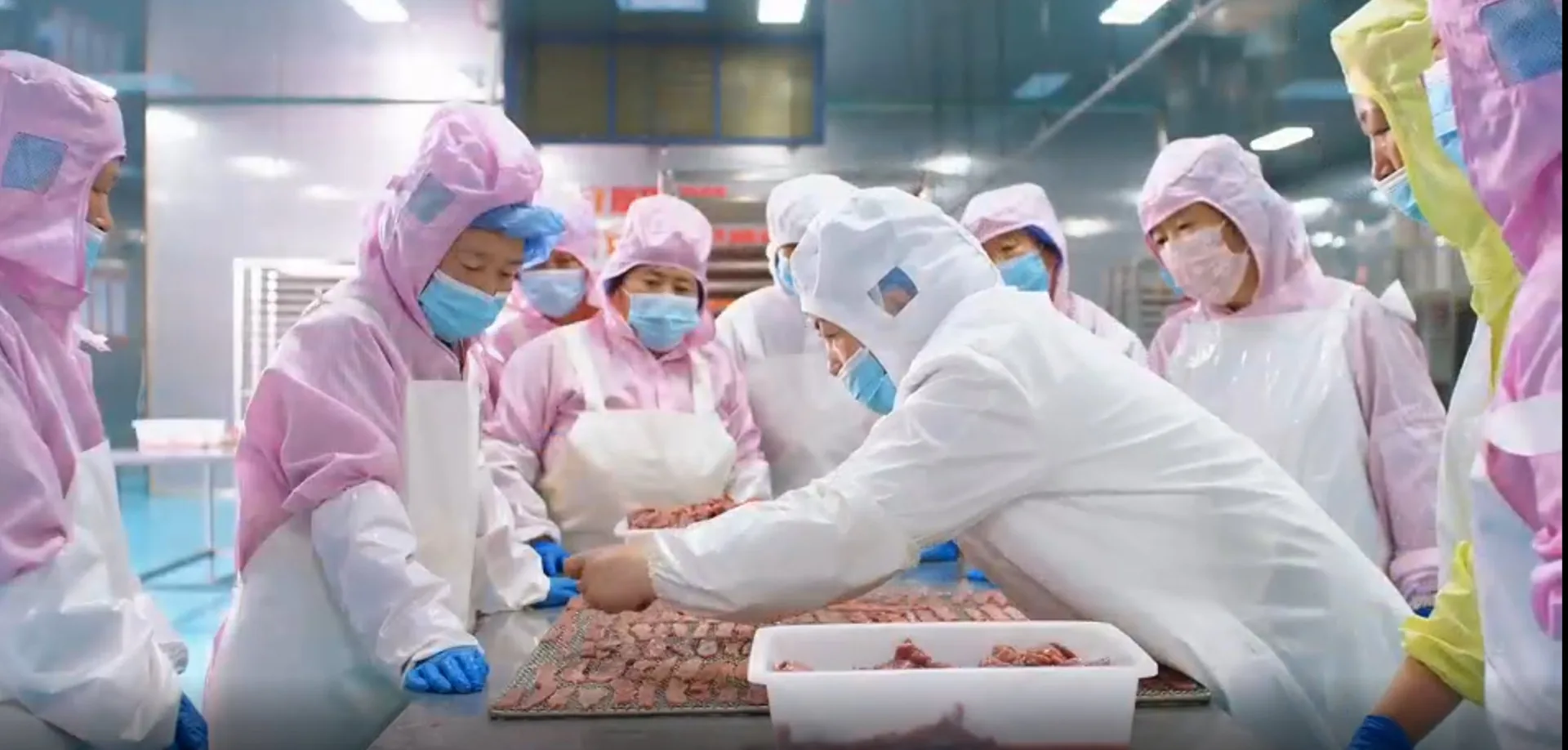
- Controlled environment. Production in a Class 100,000 cleanroom workshop on digital lines, with low-temperature baking and air-drying processes.
- Fresh raw material. Meat reaches production within three days of sourcing.
- Traceability. Batch traceability through MES, ERP and WMS systems.
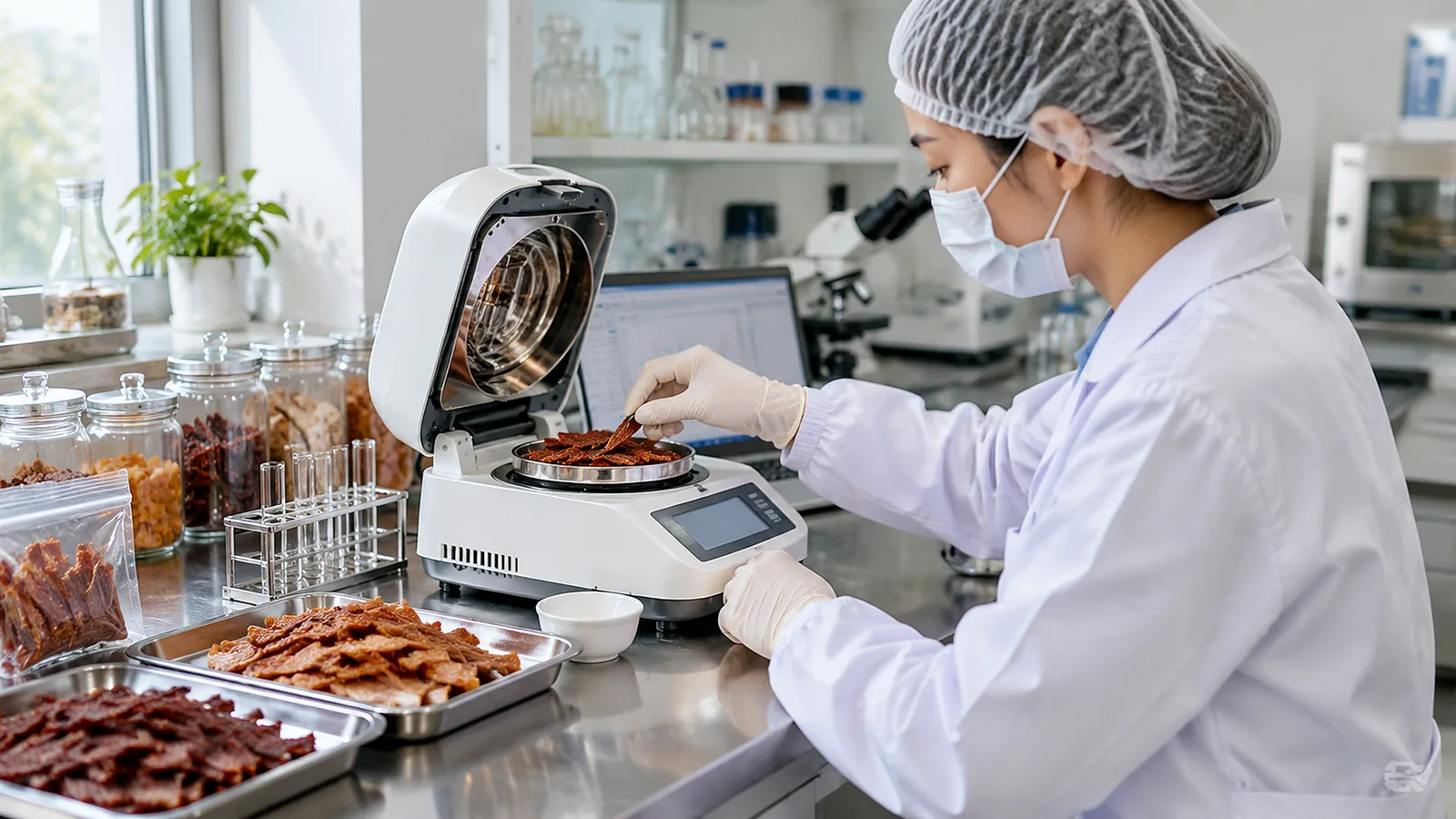
- Testing. Our in-house lab tests moisture, protein, fat and microbiology. For residue screening or any panel your market requires, we arrange third-party testing with labs such as SGS or Intertek, and we are happy to agree the panel with you in writing.
At our Qingdao plant we invite buyers to judge us the way this article suggests: verify the certificate, watch the lines on a live video tour, and test our samples in your own lab. Start with our quality and certificates page and our factory page, or look at a core product such as our whole duck fillet. For more on sourcing duck treats specifically, read our duck dog treats wholesale guide.
FAQ
Did FDA ban dog treats from China?
No. FDA did not ban jerky treats or imports from China. It investigated, published findings, inspected some facilities and issued advice to pet owners. Several brands withdrew products in 2013 after residue findings, and some later returned with reformulated products. Imports continue under standard FDA requirements, including FSVP for the US importer.
What caused the jerky treat illnesses?
FDA did not find a single root cause. Antibiotic residues and amantadine were found in some samples, but FDA said these were unlikely to explain the illnesses. The investigation remains without a definitive answer.
Are duck jerky treats from China safe to sell today?
They can be, if the supplier is certified for that product category, controls and tests for residues and pathogens, and gives you lot-level traceability, and if you verify all of this yourself. Treat duck jerky like any other higher-scrutiny product: agree the specs and test panel before the first order.
Is a BRCGS-certified factory automatically safe?
No certificate guarantees safety. A GFSI-benchmarked certificate shows the factory runs an audited system, but you still need to check that the scope covers your product and to verify with your own testing and records. That is exactly what FSVP asks US importers to do.
What should a pet owner-facing brand tell customers?
Be factual: where the product is made, what certifications the factory holds, and how each lot is tested. Accurate labeling also matters. See our guide to dog treat label requirements before making any origin or safety claims on pack.
See the evidence, not the promise
Request our BRCGS certificate and a recent third-party test report for the product you are considering. We will also set up a live video tour of our drying and packing lines and agree a test panel for your first order.